Fresh, Frozen, or Jarred: The Smart Thai Cook's Guide to Sourcing Ingredients Without Losing Your Mind
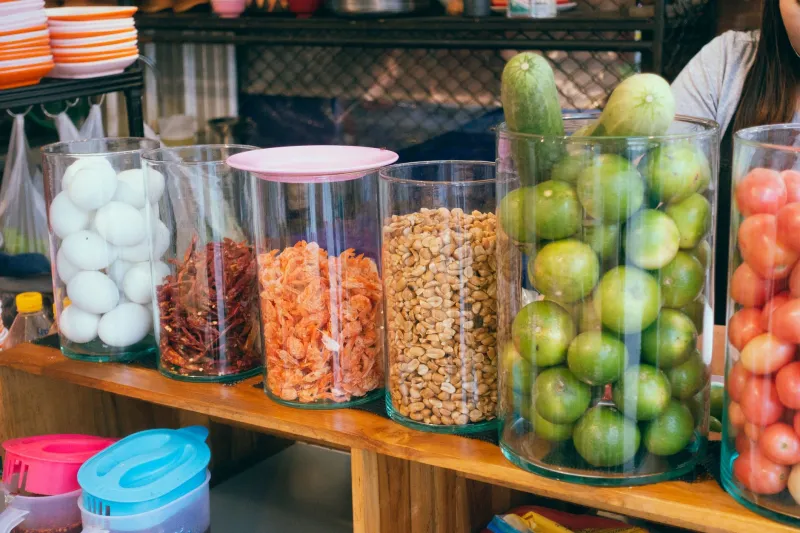
Let's be honest for a second. The idea that authentic Thai cooking requires you to track down hyper-fresh, perfectly sourced ingredients every single time you want to make a weeknight curry is exhausting — and honestly, not even how Thai home cooks operate. Walk into any kitchen in Chiang Mai or Udon Thani and you'll find a mix of fresh produce, frozen staples, and jarred shortcuts sitting side by side on the counter without any apology.
So why do so many of us in the US tie ourselves in knots trying to find the "perfect" version of every ingredient? Partly it's enthusiasm, which is great. But partly it's perfectionism, which can quietly kill the joy of cooking before you even fire up the stove.
The real skill isn't sourcing everything fresh. It's knowing which things genuinely need to be fresh, which ones freeze beautifully, and which ones come out of a jar just fine. That's what we're breaking down today.
The Ingredients Where Fresh Is Non-Negotiable
Some flavors just don't survive the journey to frozen or jarred form. These are the ingredients worth hunting down at your local Asian market — and if you're in a mid-sized American city, there's a good chance you have access to one within reasonable driving distance.
Kaffir lime leaves (makrut lime leaves) are the clearest example. The fresh leaves carry an intensely floral, citrusy perfume that dried versions simply cannot replicate. If you've ever made a curry with dried kaffir lime leaves and wondered why it tasted a little flat, that's likely your culprit. Fresh leaves freeze surprisingly well though — grab a big bag, toss them in a zip-lock, and pull them out as needed. That's your workaround.
Lemongrass is another one. The pre-minced stuff in a tube? It's fine in a pinch, but the brightness and complexity of fresh stalks is in a completely different league. Lemongrass is usually cheap, widely available at Asian grocery stores, and keeps for a couple of weeks in the fridge wrapped in a damp paper towel. This one's worth the small effort.
Thai chilies — specifically fresh bird's eye chilies — have a sharp, grassy heat that dried red pepper flakes can't replicate. If you're making a larb, a papaya salad, or any dish where raw chili is part of the flavor profile rather than just background heat, fresh is the call. Good news: they freeze well too. Freeze them whole and chop straight from frozen.
Galangal is trickier to find fresh, but it matters more than people realize. It's not interchangeable with ginger — the flavor is sharper, more piney, almost medicinal in a good way. Frozen galangal slices, available at most Asian markets, are a solid substitute when fresh isn't an option.
Where Frozen Quietly Wins
Here's where things get interesting, because frozen Thai ingredients have come a long way and some of them are genuinely excellent.
Frozen pandan leaves perform almost as well as fresh in cooking applications. They're used mainly to infuse flavor into desserts and rice dishes, and the freezing process doesn't damage the aromatic compounds the way it might with more delicate herbs.
Frozen banana blossoms and young jackfruit are staples in Thai cooking that are hard to find fresh in most parts of the US. The frozen versions are widely available and work perfectly well in curries and stir-fries. Don't let the lack of fresh options stop you from making these dishes.
Frozen kaffir lime leaves, as mentioned above, are genuinely a great option. Freeze them yourself from a fresh batch or buy them pre-frozen — either way, you're in good shape.
Frozen coconut meat for desserts and certain curry bases is another underrated move. If you're making a dish where coconut is a background note rather than the star, frozen shredded coconut does the job without requiring you to crack open a fresh one.
The Jarred and Canned Stuff That Actually Holds Up
Not every jar on the shelf deserves your skepticism. A few canned and jarred products are genuinely useful and won't compromise your cooking.
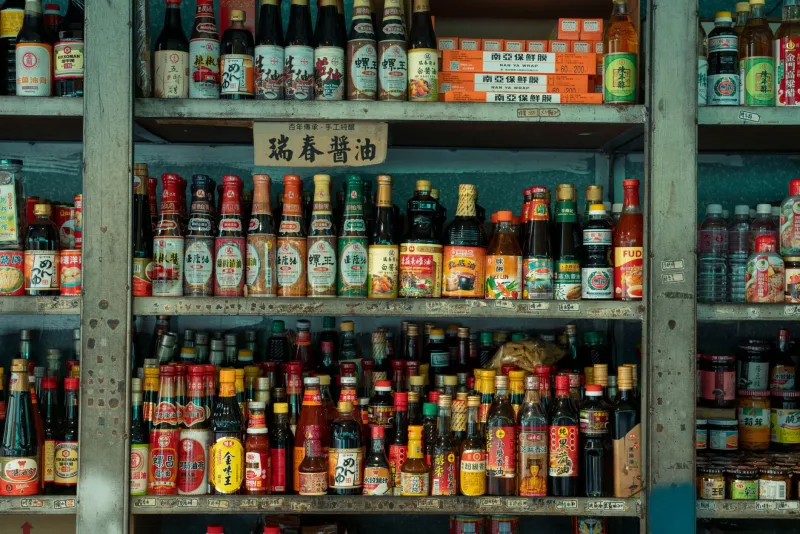
Good-quality curry paste in a jar is probably the most debated topic in Thai cooking circles, and here's our honest take: for weeknight cooking, a well-made jarred paste from a reputable brand is completely acceptable. Maesri and Maeploy are the two brands most commonly trusted by Thai home cooks in the US. They're not identical to homemade, but they're made with real ingredients and they work. Save the from-scratch paste for when you have time and want the full experience.
Canned bamboo shoots are essentially as good as fresh for most cooked applications. Fresh bamboo shoots require blanching and prep anyway, so the canned version isn't really a shortcut so much as a practical equivalent.
Fish sauce, oyster sauce, and tamarind paste in bottles and jars are pantry staples — there's no fresh alternative here. Just invest in quality brands and you're set.
The Stuff That's Never Worth the Compromise
A few substitutions that get suggested online are worth pushing back on.
Regular supermarket lime juice is not a substitute for fresh lime. The bottled stuff tastes flat and slightly off in a way that's immediately noticeable in dishes like pad thai or papaya salad. Squeeze fresh limes. It takes 30 seconds and makes a real difference.
Dried basil is not Thai basil. Not even close. If you can't find Thai basil, your best backup is fresh Italian basil — it's still not the same, but it's closer than dried anything.
And regular grocery store ginger is not galangal. We know it looks similar. It isn't.
Building a Strategy That Actually Works
The practical takeaway here is pretty simple: think of your Thai pantry in tiers. Fresh herbs and aromatics — lemongrass, fresh chilies, makrut lime leaves when you can find them — are Tier One. Buy them fresh, freeze the extras. Frozen staples like galangal slices, pandan, and whole chilies are Tier Two. Stock your freezer and don't stress. Quality jarred and canned items — good curry paste, bamboo shoots, tamarind concentrate — are Tier Three. Keep them on hand and use them without guilt.
Thai cooking at its heart is practical. It's resourceful. It was never meant to be precious. The goal is a plate of food that tastes alive, balanced, and real — and you can absolutely get there without making sourcing ingredients a part-time job.
Shop smart, stock your freezer, and cook more often. That's the whole philosophy.