Khao Soi Is Coming for Your Heart: The Northern Thai Curry Noodle You Need to Know Before It Goes Mainstream
There's a moment in every food trend when something goes from "that thing adventurous eaters talk about" to "wait, why does every restaurant have this now?" Khao soi is sitting right at that edge. If you've been paying attention to Thai food beyond the usual pad thai and green curry rotation, you've probably already heard whispers. And if you haven't tried it yet, consider this your advance notice.
This dish is special. Not in a marketing-copy kind of way—in a this changes how you think about curry kind of way.
What Even Is Khao Soi?
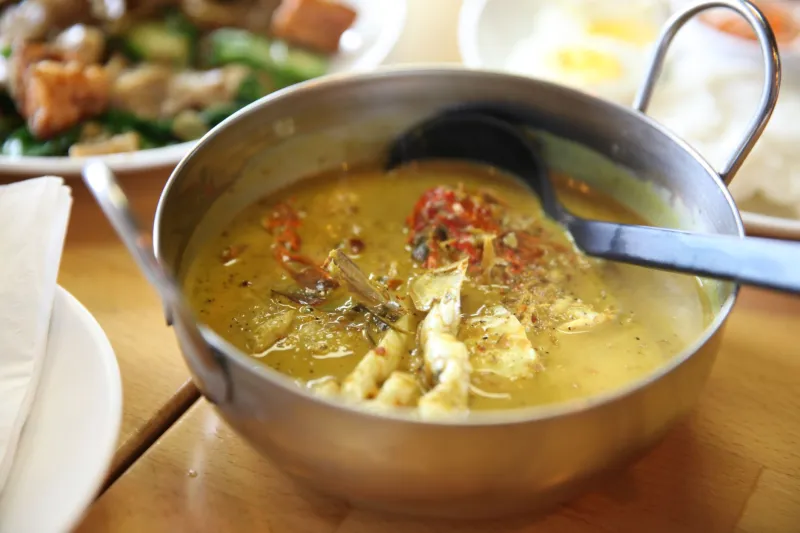
Khao soi (pronounced roughly like "cow soy") is a curry noodle soup that comes from northern Thailand, specifically the Chiang Mai region. It's built on a rich, slightly spicy coconut milk broth that leans more fragrant than fiery. Egg noodles get cooked directly in the curry, and then—here's the part that sets it apart from basically everything else in Thai cuisine—a fistful of those same noodles gets deep-fried until crispy and piled right on top.
You get soft noodles underneath and crunchy ones on top, all in the same bowl. It's a textural experience that's genuinely unlike anything else in the Thai canon.
The dish is typically served with chicken (bone-in thighs are traditional), though beef and tofu versions exist. On the side, you get pickled mustard greens, shallots, lime wedges, and a spoonful of chili oil. These aren't optional garnishes—they're part of the architecture of the dish.
Why It's Different From Southern Thai Curries
Most Americans who've eaten Thai food are more familiar with the southern Thai curry style—the kind built on coconut milk and curry paste that shows up as red, green, or massaman. Khao soi shares some of that DNA but diverges in meaningful ways.
First, the paste. A proper khao soi paste uses dried chilies, shallots, garlic, galangal, and a heavy hand of turmeric, which gives the broth that distinctive golden-orange color. There's also a Burmese and Yunnanese influence baked into the dish's history—khao soi sits at a cultural crossroads, which explains why it feels a little different from anything you'd find in Bangkok.
Second, the broth itself tends to be thicker and more coconut-forward than a typical red curry. You're not ladling a thin sauce over rice. You're eating a full, cohesive bowl where the noodles, broth, and toppings function together as a complete meal.
Third, the spice level is usually more measured. This isn't the kind of dish that tries to test your tolerance. It's warm and complex, not aggressive.
Why American Restaurants Are Finally Catching On
For years, khao soi was the kind of thing you'd only find at specialty Thai restaurants run by people from the north—places in cities like Los Angeles, Houston, or the Twin Cities where Thai immigrant communities are large enough to support regional cooking. The broader restaurant market just didn't think Americans were ready for it.
That assumption has aged badly. American diners are more adventurous than ever, especially when it comes to noodle dishes. Ramen's dominance cracked open the door for serious noodle culture, and dishes like khao soi are walking right through it. The combination of rich broth, layered spice, and that crispy noodle element hits the same satisfaction notes as ramen but offers something entirely new.
Food media has been pushing khao soi for a few years now, and it's finally translating into actual menu appearances across the country. Once a dish shows up at enough respected spots, the floodgates tend to open fast.
Making It at Home: Where Most Recipes Go Wrong
Here's the honest truth about most homemade khao soi recipes floating around online: they skip the paste. They tell you to use store-bought red curry paste as a shortcut, and the result tastes fine but doesn't really taste like khao soi. The turmeric, the dried chilies, the specific aromatics—those aren't interchangeable with a generic curry paste.
You don't need to grind your own paste from scratch (though you can), but you do need to find an actual khao soi paste. Several Thai brands make one, and Asian grocery stores or online retailers carry them. That's your starting point.
A Step-by-Step Breakdown
Build your base. Fry your khao soi paste in a couple tablespoons of oil over medium heat until it's fragrant and slightly darkened—about three to four minutes. Don't rush this step. The paste needs time to bloom.
Add the coconut milk in stages. Pour in about half a can of full-fat coconut milk and let it cook with the paste for a few minutes before adding the rest. This technique helps the fat separate slightly and gives the broth more depth. Season with fish sauce and a small amount of palm sugar or brown sugar.
Cook your protein. Bone-in chicken thighs are the traditional choice, and they're the right one. They hold up to braising without drying out and add collagen to the broth. Simmer them directly in the curry until fully cooked through—about 25 to 30 minutes.
Handle the noodles properly. Use fresh or dried egg noodles. Split your noodles into two portions before cooking. One portion goes into boiling water until just tender, then straight into your serving bowls. The other portion gets deep-fried in hot oil until golden and crispy—this takes about two minutes if your oil is at the right temperature (around 350°F).
Assemble with intention. Ladle the hot curry broth over the soft noodles, place your chicken on top, then pile the crispy noodles over everything. Set out your condiments—pickled mustard greens, thinly sliced shallots, lime wedges, and chili oil—and let whoever's eating build the bowl the way they want.
The Crispy Noodle Is Non-Negotiable
If there's one thing to take away from this entire guide, it's this: do not skip the fried noodles. It might seem like a garnish, but it's actually the element that makes khao soi khao soi. Those crispy threads soften as they sit in the broth, creating a third texture somewhere between crunchy and chewy that you won't find anywhere else. It's worth the extra five minutes.
Get Ahead of the Curve
Khao soi is the kind of dish that rewards the people who find it early. Right now, you can still make it at home and genuinely surprise your friends. In two years, it'll be on the menu at every fast-casual Thai spot in the country, and everyone will act like they've always known about it.
You'll know better.