The Gap Between Good and Genuine: Why Your Thai Cooking Feels Off and What Actually Fixes It
You followed the recipe. You sourced decent fish sauce, grabbed a can of good coconut milk, even picked up fresh lemongrass instead of the dried stuff. And yet, when you sat down to eat, the dish tasted like a polite suggestion of Thai food rather than the real thing.
This is one of the most common frustrations among home cooks who are genuinely trying to do things right. And here's the honest truth: the gap between what you made and what you'd get at a solid Thai restaurant has very little to do with secret ingredients or professional magic. It comes down to a few specific, fixable things — most of which nobody talks about directly.
Let's get into it.
The Myth That Thai Restaurants "Dumb Things Down"
There's a persistent idea floating around that Thai restaurants in the US adjust their food to suit American palates — less spicy, less funky, more approachable. And yeah, some places do exactly that. But that's not actually the core reason your home version tastes muted.
The real issue is that restaurant kitchens operate under conditions that naturally produce more intense, layered flavors — and most of those conditions have nothing to do with special recipes or trade secrets. They're about heat, timing, and volume. Understanding those three things is where the fix actually starts.
Heat Is Doing More Work Than You Think
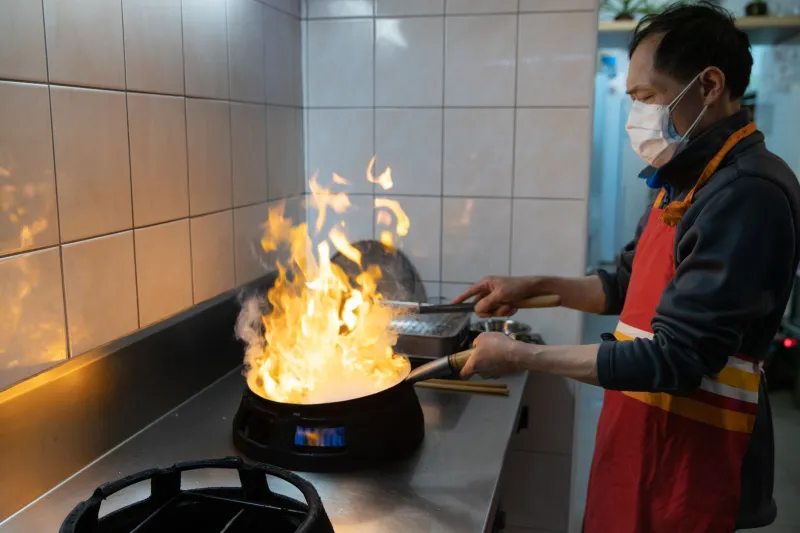
Commercial kitchen burners run significantly hotter than what you have at home. We're talking 30,000 to 150,000 BTUs versus the 7,000 to 12,000 BTUs on a typical American residential range. That difference isn't just about cooking speed — it fundamentally changes how ingredients behave in the pan.
When your wok or skillet gets genuinely, aggressively hot, a few things happen at once. Proteins sear instead of steam. Vegetables char at the edges while staying crisp inside. Aromatics like garlic and shallots caramelize almost instantly, releasing a depth of flavor that slow-cooked versions simply can't replicate. This is part of what people call wok hei — that slightly smoky, high-heat character that makes a dish feel alive.
You can't fully replicate a commercial burner at home, but you can get a lot closer than most people do. The key is preheating your pan — whether it's a wok, a carbon steel skillet, or even a cast iron — for longer than feels comfortable. Most home cooks add oil after 30 seconds of heating. Try two to three minutes. Get the pan genuinely ripping hot before anything goes in. Cook in smaller batches so you don't drop the temperature the moment food hits the surface. These adjustments alone can transform the texture and flavor of a stir-fry.
The Freshness Window Problem
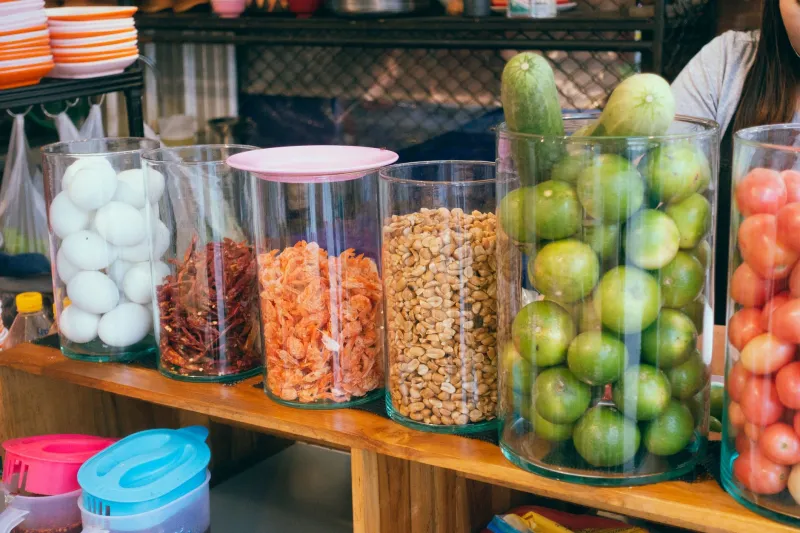
Restaurants go through ingredients fast. That bunch of Thai basil? Gone in a day. The galangal? Sliced fresh every morning. The curry paste? Made or opened and used immediately.
At home, things sit. You buy a bunch of cilantro for one dish and use a quarter of it. The rest wilts in your crisper drawer. You open a container of curry paste, use two tablespoons, and seal the rest for next time.
Ingredients like fresh herbs, aromatics, and even opened coconut milk have very short windows where they're performing at their best. Wilted Thai basil doesn't just taste less vibrant — it actively flattens a dish. Curry paste that's been open for two weeks has lost volatile aromatics that were doing a lot of the flavor heavy lifting.
The fix here is partly about shopping habits and partly about mise en place. Buy fresh herbs in smaller quantities and use them the same day or within a day. Keep opened curry paste tightly sealed and refrigerated, and when in doubt, use a little more than the recipe calls for to compensate for any flavor loss. If you're making a dish that calls for fresh kaffir lime leaves, don't skip them or sub dried — those leaves are doing something the dried version genuinely cannot.
You're Probably Under-Seasoning at the Wrong Stage
Thai cooking is built on layered seasoning — not just salt at the end, but fish sauce, lime juice, sugar, and chili added at specific points during cooking. When home cooks taste a flat dish, the instinct is often to add more fish sauce at the table. But that's not how it works.
Fish sauce added during cooking behaves differently than fish sauce added after. It has time to mellow, integrate, and lose some of its sharpest edges while contributing deep umami to the base of the dish. The same goes for palm sugar or brown sugar — it needs heat to dissolve properly and develop a slight caramel note that raw sugar can't offer.
Get comfortable tasting and adjusting throughout the cooking process, not just at the end. Add fish sauce early when building your curry base. Add a pinch of sugar when your stir-fry sauce goes in. Squeeze lime at the very end, off the heat, so the brightness stays sharp. Each step builds on the last, and skipping any of them leaves the flavor profile incomplete.
The Volume Factor Nobody Talks About
Restaurants cook in volume, and that volume creates flavor in ways that are hard to replicate at home. A stock made from 20 pounds of bones tastes different from one made with two. A curry sauce that's been simmering in a large pot for hours develops a concentration that a small home batch can't easily achieve.
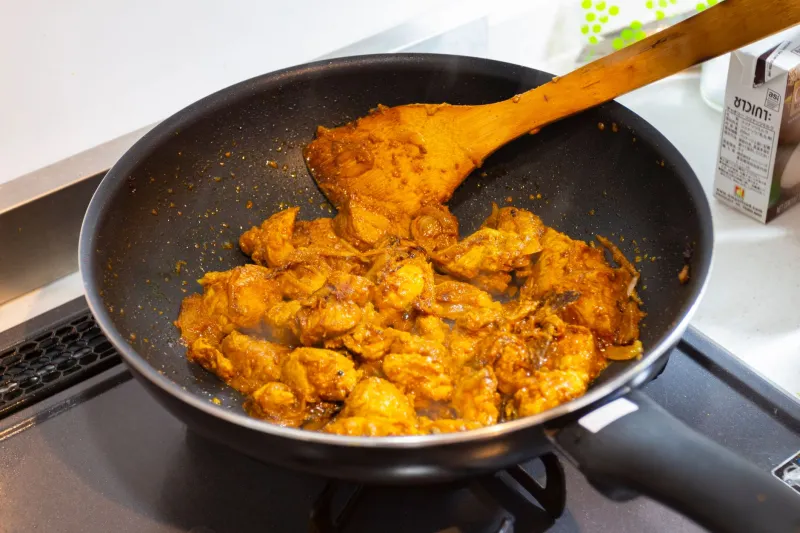
You can work around this. When making curry, let your sauce reduce more than you think it needs to before adding protein. Concentrate your aromatics by frying your paste in oil until it's deeply fragrant and starting to separate — this is a step many home cooks rush. If you're making a soup like tom kha or tom yum, use a good-quality chicken or vegetable stock as your base instead of water, even if the recipe doesn't specify it.
Small Shifts, Real Results
None of what we've covered requires expensive equipment or a trip to a specialty importer. It's about paying attention to the details that restaurants handle automatically because of how their kitchens are structured.
Get your pan hotter. Use your aromatics while they're fresh. Season in layers. Let your sauce reduce and concentrate before you declare it done. These aren't complicated techniques — they're habits, and habits are buildable.
The gap between restaurant-quality Thai food and what comes out of a home kitchen is real, but it's not a chasm. It's a handful of specific, learnable adjustments. Make them consistently, and that "approximation" feeling starts to disappear.