Ditch the Recipe: How Thai Home Cooks Actually Know When a Dish Is Done
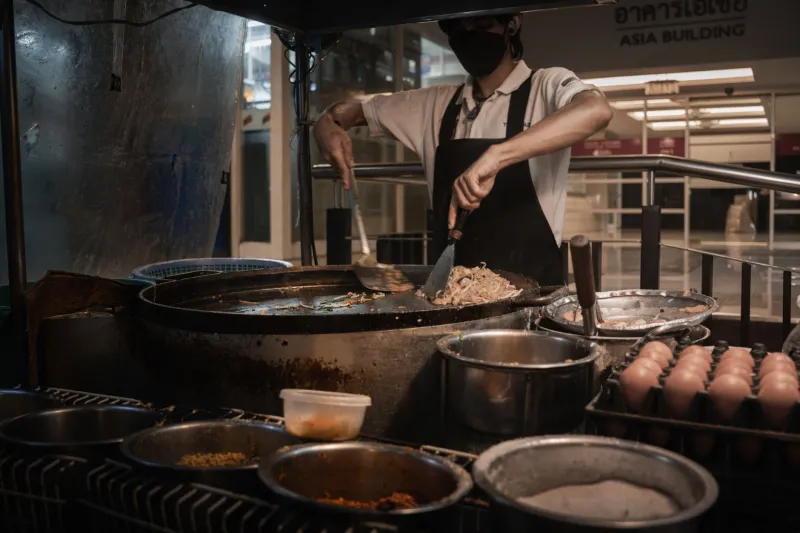
Picture a Thai grandmother in a small kitchen somewhere in Chiang Mai or a Bangkok shophouse. She's got a wok going, a pot of something bubbling nearby, and she's tasting, sniffing, adjusting — all at the same time. Ask her how much fish sauce she added and she'll look at you like you asked how many breaths she took this morning. She doesn't know. She never counted. And the food is extraordinary.
This isn't some mystical gift. It's a learned way of paying attention. And the good news is, you can learn it too — even if you grew up in the suburbs of Ohio with a drawer full of measuring cups.
The Myth of the Perfect Recipe
Here's something nobody tells you when you first get into Thai cooking: recipes are approximations. Every single one of them. The fish sauce in your bottle is saltier or milder than the one the recipe writer used. The lime you squeezed today is more acidic than yesterday's. The galangal you picked up at the Asian grocery was fresher, or drier, or more pungent than what was in the test kitchen.
Recipes can't account for any of that. They're snapshots of one cook's experience on one particular day. When you follow them to the letter, you're not actually cooking Thai food — you're recreating a photograph of Thai food.
Authentic Thai home cooking doesn't work that way. It responds to what's actually in the pan, not what a piece of paper says should be there.
What Sensory Cooking Actually Looks Like
Let's break down what experienced Thai cooks are actually doing when they cook without recipes.
Smell comes first. Before anything gets tasted, it gets smelled. Aromatics hitting oil tell you everything — whether the heat is right, whether the garlic is about to burn, whether the lemongrass has released its oils yet. If it smells raw and sharp, it needs more time. If it smells slightly sweet and fragrant, you're in business.
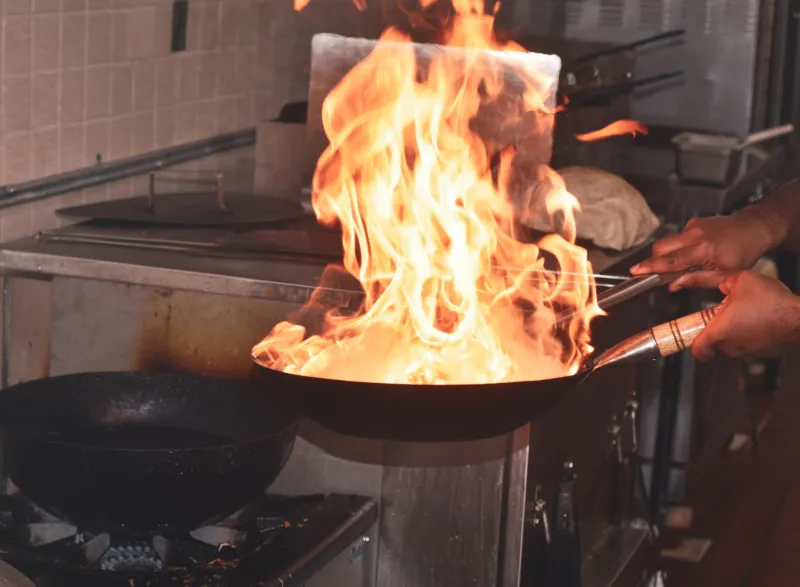
Sound is a timer. The sizzle of a stir-fry tells you whether your wok is hot enough. A dull, wet sound means ingredients are steaming instead of searing. A sharp, aggressive crackle means you're at the right temperature. Thai cooks listen to their pans the same way a mechanic listens to an engine.
Tasting is constant, not occasional. This is the big one. In most American home kitchens, tasting happens once — right before serving. In a Thai kitchen, it happens every few minutes. A spoonful of curry gets tasted early so adjustments can be made gradually. You're not fixing a finished dish; you're steering it in real time.
Touch tells you texture. Pressing a piece of meat, squeezing a vegetable, rubbing a paste between your fingers — these are all legitimate ways of knowing whether something is ready. A properly pounded curry paste feels smooth and slightly sticky, not gritty. Properly cooked rice feels firm but not hard when you pinch a grain.
The Three Adjustments That Change Everything
If there's one practical framework to pull from traditional Thai cooking, it's this: almost every dish is balanced across salt, sour, and sweet — with heat sitting underneath all three. When something tastes off, one of those elements is usually out of whack.
Too flat? It needs salt. Fish sauce is the first move, but sometimes it's a pinch of sugar that actually lifts the saltiness into focus. They work together.
Too heavy or rich? It needs acid. A squeeze of lime, a splash of tamarind water, or even a bit of rice vinegar can cut through richness and make a dish feel alive again.
Too sharp or aggressive? It needs sweet. Palm sugar is the traditional choice, and it's worth tracking down — it has a more complex, slightly caramel flavor compared to white sugar. But even a small amount of white sugar will do the job in a pinch.
These aren't secret techniques. They're just adjustments that require you to taste first and measure second — or skip measuring entirely.
Building Muscle Memory in Your Own Kitchen
The reason Thai grandmothers don't need recipes is repetition. They've made the same dishes hundreds of times. Their hands know how much fish sauce to pour before their brain catches up. That's not magic; that's practice.
You can build the same thing. Here's how to start.
Cook the same dish five times in a row. Pick one Thai recipe — pad krapow, a simple green curry, tom kha — and make it repeatedly over the course of a few weeks. Each time, try adjusting one element by feel instead of measurement. Notice what happens.
Keep a sensory journal, not a measurement log. Instead of writing down "2 tablespoons fish sauce," write down what the dish smelled like before you added it, what it tasted like after, and what you'd do differently. This trains your memory in a much more useful way.
Taste ingredients on their own. Before you cook, taste your fish sauce straight. Taste your lime juice. Taste your curry paste. This builds a library of reference points in your head so you know what you're working with before it goes in the pan.
Stop following the recipe after the third time. Once you've made something a few times with a recipe as a guide, put the recipe away. Cook from memory. You'll make mistakes, and those mistakes will teach you more than any printed instruction ever could.
Why This Makes You a Better Cook — Not a Reckless One
Some people hear "stop following recipes" and panic. That's understandable. Recipes feel safe. They feel like accountability.
But here's the thing: cooking by intuition isn't the same as cooking carelessly. Thai grandmothers aren't winging it — they're drawing on deep experience. What you're doing when you cook by feel is training yourself to eventually reach that same place.
It starts with paying more attention, not less. You have to be more present at the stove, not less. You have to taste more often, smell more deliberately, and listen more carefully. In a weird way, it's more disciplined than following a recipe — because the discipline is internal.
And when you get there — when you can taste a curry halfway through and know exactly what it needs without consulting anything — that's when Thai cooking stops feeling like a foreign language and starts feeling like your own.
Your measuring cups can stay in the drawer. You won't need them as much as you think.