Train Your Tongue: A Thai Cook's Guide to Tasting, Balancing, and Actually Understanding What's in Your Bowl
Here's something nobody tells you when you first start cooking Thai food: following a recipe perfectly doesn't mean your dish will taste right. Thai cooking isn't really about measurements — it's about understanding the conversation happening between flavors in the pot. Once you get that, everything clicks.
The reason your pad thai tastes "close but not quite" or your tom kha feels a little hollow isn't because you're missing some secret ingredient. It's because you haven't learned to listen to what the dish is telling you. Thai cooks don't taste and think "needs more fish sauce." They taste and feel an imbalance — something pulling too hard in one direction — and they know exactly how to push back.
Let's break that skill down so you can actually use it.
The Five Pillars (and Why They're Never Separate)
You've probably heard that Thai food balances salty, sour, sweet, spicy, and umami. That's true. But the key word is balances — these five elements don't take turns. They overlap, support each other, and sometimes cancel each other out in ways that are genuinely surprising until you experience them.
Think of it like a band. When one instrument is too loud, the whole song suffers — even if every other player is technically perfect. Your job as a Thai cook is to be the sound engineer.
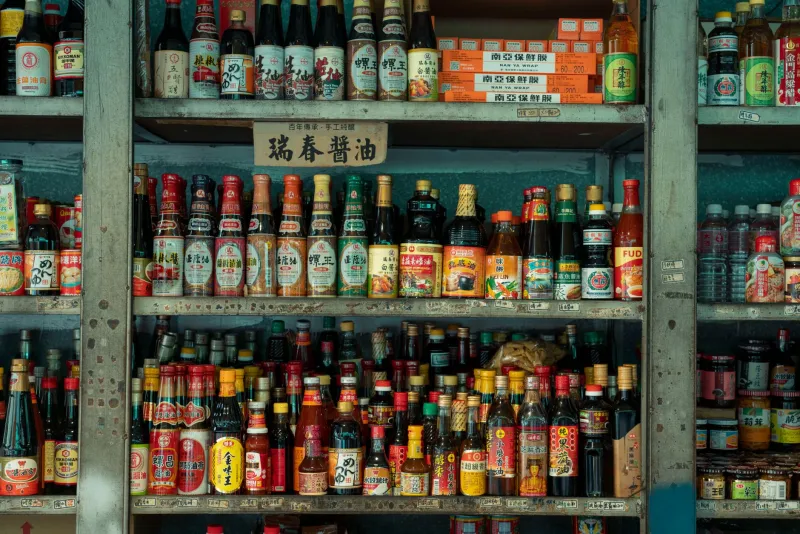
Salty is your foundation. In Thai cooking, salt almost never comes from actual table salt. It comes from fish sauce, soy sauce, shrimp paste, and fermented ingredients. Each one brings a different kind of salinity — fish sauce is bright and sharp, shrimp paste is deep and funky, light soy sauce is clean and mild. They're not interchangeable.
Sour is what keeps Thai food from feeling heavy. Lime juice is the most common source, but tamarind paste brings a rounder, fruitier acidity that works differently in your mouth. Lemongrass and kaffir lime leaves also contribute a subtle citrus note that doesn't read as "sour" outright but lifts the whole dish.
Sweet is the moderator. Palm sugar is the traditional choice, and it behaves nothing like white granulated sugar — it melts into sauces rather than sitting on top of them, and its slight caramel edge adds complexity. Sweet tones down heat, softens sourness, and rounds out saltiness. When a dish tastes aggressive or one-dimensional, a small amount of palm sugar is often the fix.
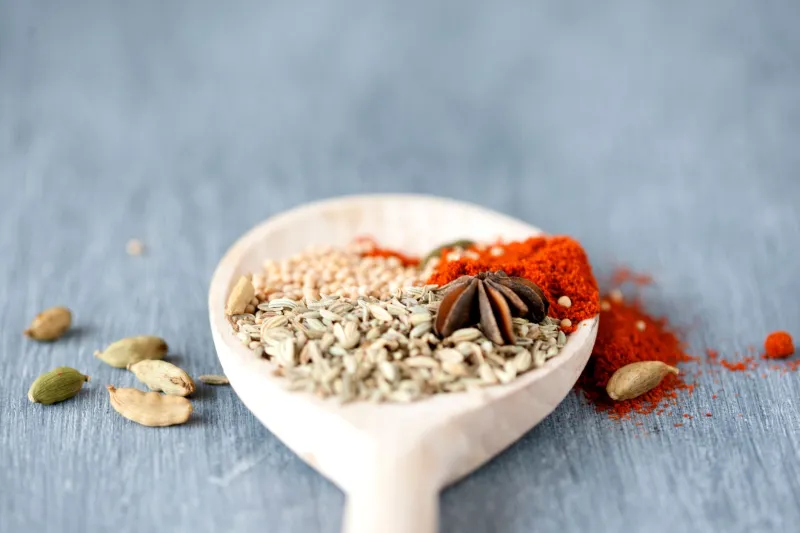
Spicy is the element most Americans fixate on, but Thai cooks treat it as just one voice in the mix. Heat from fresh chilies is bright and fast. Heat from dried chilies is slower and earthier. Roasted chili flakes bring smokiness. None of these are "just hot" — they each flavor the dish differently.
Umami is the quietest pillar but the one that makes everything feel complete. Shrimp paste, fish sauce, dried shrimp, and fermented soybean paste all contribute this savory depth. When a dish tastes flat or one-dimensional even though the other four flavors seem right, umami is usually the missing piece.
A Tasting Exercise Worth Doing Right Now
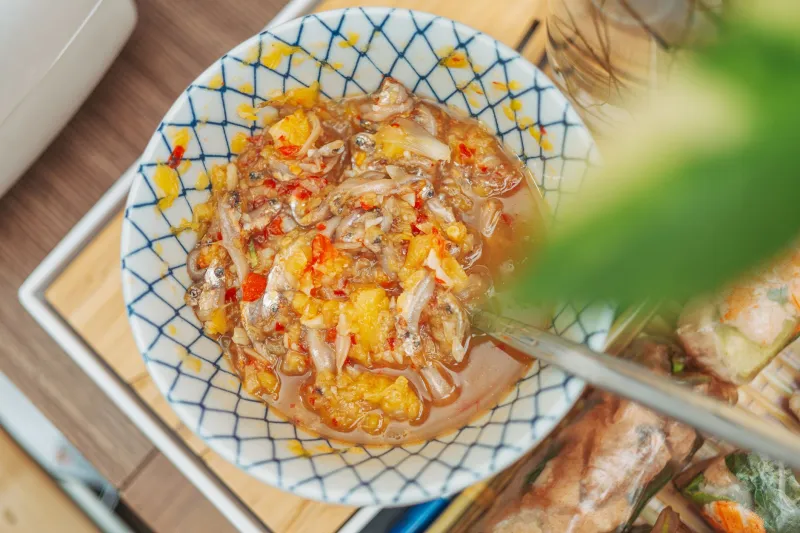
Before you cook anything, do this: make a small dipping sauce. Combine a tablespoon of fish sauce, a teaspoon of lime juice, half a teaspoon of sugar, and a pinch of chili flakes. Taste it.
It probably tastes sharp and unbalanced. Good. Now add a tiny bit more sugar. Taste again. Notice how the sourness softens slightly. Add a few more drops of lime. Notice how the salt gets brighter. This back-and-forth is the conversation Thai cooks have constantly, and training yourself to notice each micro-shift is how you develop a real palate.
Now try making a second version with tamarind paste instead of lime juice. Same ratios, different acid. The sourness is rounder, slightly fruity, less aggressive. That's the difference between a dipping sauce for grilled pork and one for fried fish — same structure, different character.
Reading a Dish While You Cook
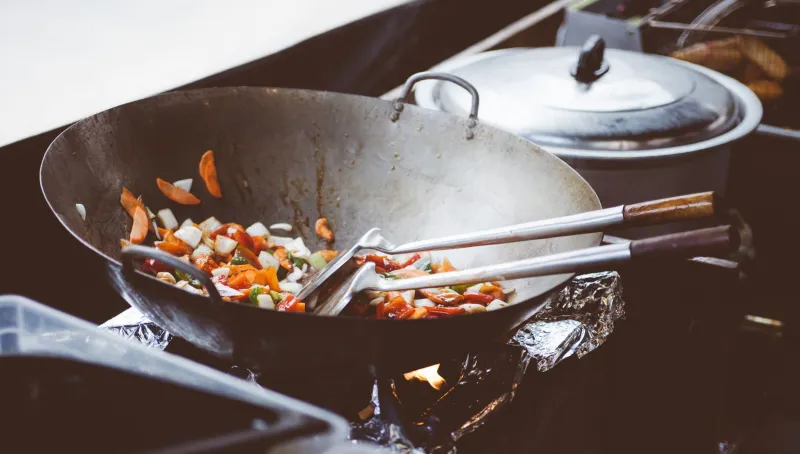
The best time to taste isn't at the end — it's throughout. Thai cooking moves fast, especially stir-fries, so you need to build the habit of tasting at every stage.
When you're building a curry, taste the paste before it hits the coconut milk. Does it smell bright and herbal? Earthy and deep? That tells you what direction the dish is heading and what it'll need later. When you add coconut milk, taste again — the richness will mute some flavors and amplify others. Sweetness often gets lost in coconut milk, which is why most Thai curries get a small addition of palm sugar toward the end.
For soups like tom yum, the classic test is this: taste a spoonful and identify the first thing you notice. If it's heat, the balance is off — heat should arrive mid-palate, not first. If sourness hits immediately and then disappears, you need more lime at the end (lime juice loses its punch when cooked too long, which is why it's almost always added off-heat). If the soup tastes watery despite having the right ingredients, it needs more fish sauce and shrimp paste — that's the umami foundation doing its job.
Why Dishes Taste "Off" at Home
There are a few common reasons home versions of Thai dishes fall flat, and most of them come back to flavor balance:
Skipping the shrimp paste. A lot of American cooks leave it out because it smells intense raw. But shrimp paste is the umami anchor in many dishes — without it, the flavor profile is thinner than it should be. Use it. Cook it.
Adding lime juice too early. Heat destroys the volatile compounds that make lime juice bright and floral. Add it at the very end, right before serving, and your soups and stir-fries will taste noticeably more alive.
Using white sugar instead of palm sugar. White sugar is one-dimensional sweetness. Palm sugar brings depth. If you can't find palm sugar at your local Asian grocery store, light brown sugar is a closer substitute than white.
Tasting only at the end. By that point, you've lost the window to course-correct without over-adjusting. Taste early and often.
The Real Goal
Learning to taste like a Thai cook isn't about memorizing rules — it's about building intuition. The more you consciously identify each flavor element while you're eating and cooking, the faster that process becomes automatic. Eventually you'll taste a bowl of noodles at a restaurant and immediately know what they did with the tamarind, or why the heat feels different from what you made last week.
That's the skill that separates cooks who follow recipes from cooks who actually understand the food. And once you have it, no recipe feels out of reach.