Naam Pla Prik Is Not an Afterthought: How to Build Thai Dipping Sauce That Actually Does Its Job
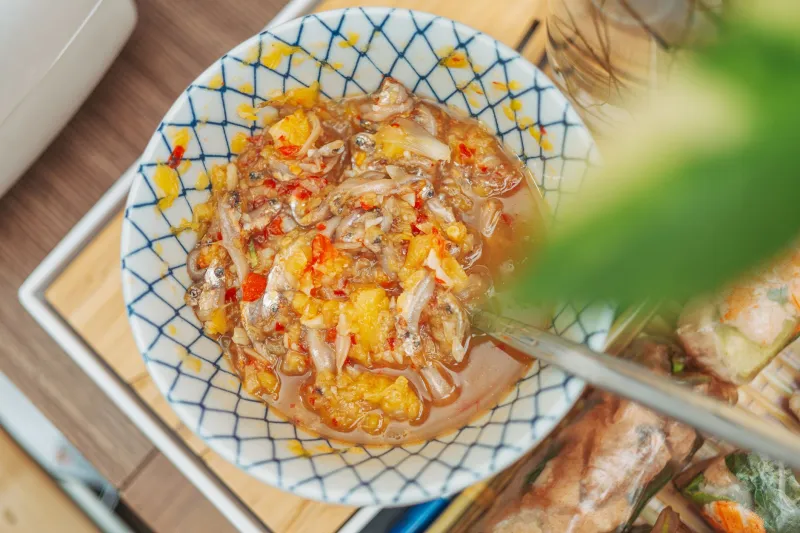
Walk into almost any Thai home kitchen — or a no-frills rice shop in Bangkok — and you'll find a small jar or bowl sitting quietly on the table. It doesn't look like much. But reach for it without thinking, splash it carelessly over your plate, and a Thai cook nearby will probably wince.
Naam pla prik — that deceptively simple combination of fish sauce, chili, and lime — is one of the most misunderstood condiments in Thai cooking. American diners often treat it the way they treat ketchup: something to grab automatically, dump without measuring, and forget about. But in Thailand, that little bowl is a calibrated tool. It exists to correct, enhance, and finish. And building it right is a skill worth learning.
What Naam Pla Prik Actually Is (And Isn't)
Let's clear something up first. Naam pla prik is not just fish sauce with some chilies floating in it. That's the skeleton, sure, but it's not the dish. The ratio of fish sauce to lime juice to chili — and the type of chili you use — determines whether you're adding brightness or just salt and heat.
At its most basic, you're working with three components: the funk (fish sauce), the acid (lime juice), and the fire (fresh Thai chilies, dried chilies, or both). The proportions shift depending on what you're eating. That's the part most home cooks skip entirely, and it's exactly why their version tastes flat or weirdly aggressive.
A dipping sauce for plain jasmine rice needs more brightness and less salt. One served alongside a rich, fatty dish like khao kha moo — braised pork leg — wants more acid to cut through the fat. A sauce for grilled seafood might lean harder on the heat. These aren't rigid rules, but they're the kind of thinking that separates a sauce that transforms a plate from one that just makes it salty.
The Regional Thing Nobody Talks About
Here's where it gets interesting. Naam pla prik isn't one sauce — it's a family of sauces with real regional personality.
In central Thailand, the version you'll see most often is clean and punchy: fish sauce, fresh lime juice, sliced Thai bird's eye chilies, and sometimes a pinch of sugar. It's meant to be sharp and immediate, the kind of thing that wakes up a bowl of fried rice or grilled chicken.
Head north toward Chiang Mai and you'll encounter jeow — dipping sauces that are roasted, pounded, and deeply smoky. Jeow bong, for instance, is a thick, spicy relish built from dried chilies, shrimp paste, and galangal. It's nothing like the clear liquid version from central Thailand, but it serves the same function: it finishes the dish.
In the south, dipping sauces get funkier and more complex, often incorporating shrimp paste or fermented fish in ways that can genuinely surprise people who grew up eating milder Thai food. The heat level also tends to go up — significantly.
If you're cooking for an American table, the central Thai version is your most accessible starting point. But understanding that these regional variations exist will push you to think more creatively about what a dipping sauce can do.
Getting the Ratio Right
Most recipes give you a fixed formula and call it a day. We're going to do something more useful: teach you how to taste and adjust.
Start with a base of two parts fish sauce to one part fresh lime juice. Add two or three sliced bird's eye chilies per serving. Taste it. Right now it's probably too salty and too sharp at the same time — that's normal. Add a small pinch of sugar. Taste again. The sugar isn't there to make it sweet; it's there to round off the edges and bring the other flavors into focus.
If it still tastes flat, you likely need more acid. Squeeze in another wedge of lime. If it tastes sharp and thin, a tiny bit more fish sauce will add body. If the heat is missing, add more chili — but add it fresh and let it sit for a few minutes before you taste again. Fresh Thai chilies release their heat gradually.
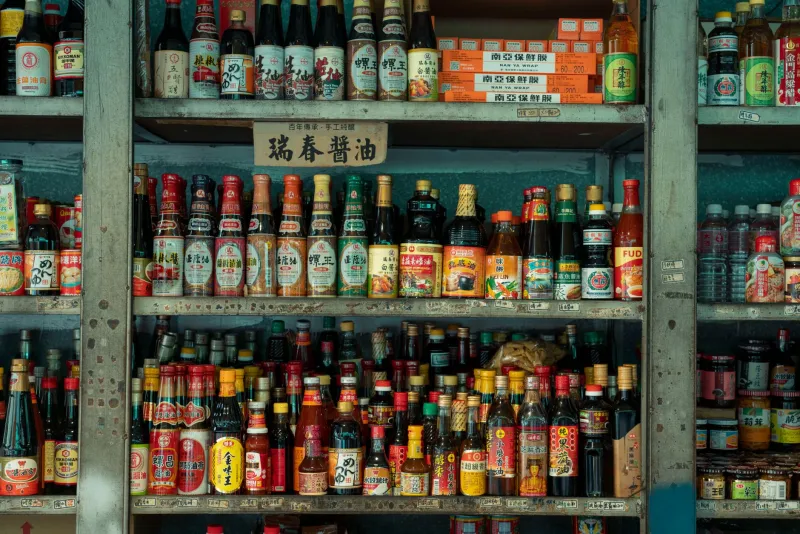
One thing worth noting: the quality of your fish sauce matters enormously here. A low-sodium, high-quality fish sauce like Tiparos or Megachef will give you a cleaner, more complex base than a cheap, overly salty brand. Since this sauce is uncooked, there's nowhere to hide.
Texture and Add-Ins That Change the Game
Once you're comfortable with the basic version, start playing with texture and aromatics.
Thinly sliced shallots are one of the most underrated additions to naam pla prik. They add a mild sweetness and a bit of crunch that makes the sauce feel more substantial. Let them sit in the sauce for five to ten minutes and they'll soften slightly and absorb the surrounding flavors.
Garlic — either raw and minced or quickly fried — adds depth. Raw garlic is sharp and immediate; fried garlic is mellow and nutty. The choice depends on the dish you're serving alongside.
For a version that leans more toward a dipping sauce for proteins like grilled pork or fried fish, try adding a small amount of toasted rice powder. It thickens the sauce slightly and gives it a subtle, smoky nuttiness that works really well against charred meat.
If you want something closer to a jeow-style sauce without committing to a full northern recipe, try charring a few dried chilies in a dry pan before crushing them into your base. It takes about three minutes and adds a layer of complexity that the fresh-chili version simply can't replicate.
Matching the Sauce to the Dish
This is the part that will genuinely upgrade your cooking, and it's simpler than it sounds.
For rice dishes — fried rice, steamed jasmine rice with a simple stir-fry — keep your sauce bright and light. High lime, moderate fish sauce, fresh chilies, done.
For grilled meats, push the heat and consider adding a little char to your chilies. The smokiness echoes the grill.
For noodle soups like boat noodles or even a simple pho-adjacent bowl, you want something that can hold its own against a rich broth. Go heavier on the fish sauce and let the lime play a supporting role.
For raw or lightly cooked seafood — steamed clams, grilled shrimp — the acid does double duty as a flavor enhancer and a textural contrast. Go lime-forward and keep the chili count high.
The Mindset Shift
The bigger lesson here isn't really about ratios or regional styles. It's about treating naam pla prik the way Thai cooks treat it: as a living part of the meal, not a static bottle you pass around without thinking.
When you build the sauce with intention — tasting it, adjusting it, matching it to what's on the plate — it stops being a condiment and starts being a technique. And that shift, more than any single recipe, is what makes Thai home cooking feel genuine.
Next time you set the table, don't just pour fish sauce into a bowl and call it done. Build something. Taste it. Adjust it. Then watch what happens when it hits the food.