Stop Hoarding, Start Cooking: The Smarter Way to Stock a Thai Pantry That Actually Works
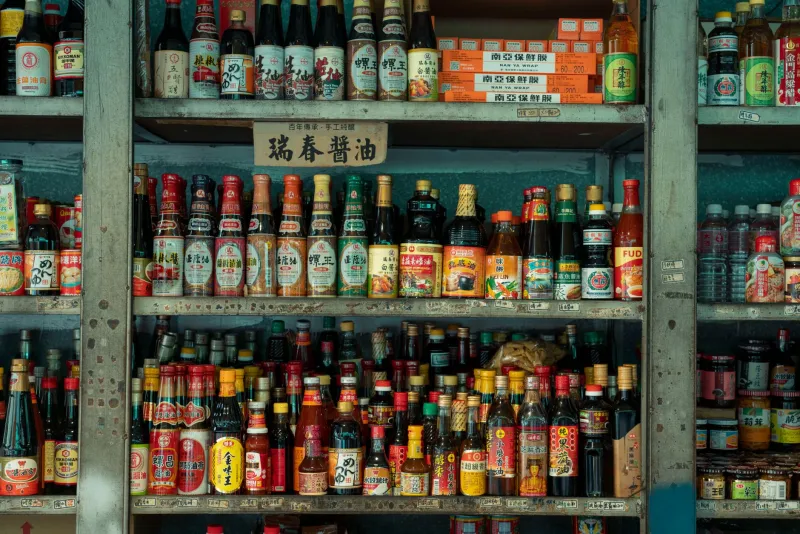
Here's a scene that might feel familiar. You walk into an Asian grocery store — maybe it's a big H Mart, maybe it's a smaller family-run shop near your neighborhood — with a recipe in hand and pure ambition in your heart. You come home with six bottles of things you've never opened before, two kinds of dried shrimp, and a fermented shrimp paste that immediately makes your roommate ask what that smell is.
Three months later, half of it is still sitting there. The galangal paste has a thin film of something on top. The fish sauce you bought as a "backup" is now competing with the fish sauce you actually use. And you're out of oyster sauce again.
This is the Thai pantry paradox — buying too much of the wrong stuff while constantly running short on the things you actually reach for. Let's fix that.
The Problem Isn't Enthusiasm, It's Strategy
Thai cooking has a reputation for requiring a lot of specialty ingredients, and that reputation isn't entirely wrong. But there's a big difference between the 38 or so ingredients that genuinely matter and the dozens of niche products that recipe blogs and YouTube videos make seem essential.
The mistake most people make is treating their Thai pantry like a one-time shopping event rather than a living, rotating system. You buy everything you think you'll need for every possible dish, and then life happens. You cook pad see ew twice, forget about the fermented black beans, and suddenly you're doing a pantry audit wondering why you own three half-empty bottles of sweet soy sauce.
A functional Thai pantry isn't about volume. It's about velocity — which ingredients move fast in your kitchen, which ones you use across multiple dishes, and which ones are genuinely worth the shelf space.
The Core Four: What You Should Never Run Out Of
Before anything else, get these four things right. These are your workhorses — the ingredients that show up in dish after dish and make everything else possible.
Fish sauce is non-negotiable. It's the salt of the Thai kitchen, and you will go through it faster than you think once you start cooking regularly. Buy a full-size bottle, not the little one. When it gets to about a quarter left, add it to your grocery list immediately. Don't wait until you're shaking the last drops into a wok.
Oyster sauce is almost as critical. It's your umami foundation for stir-fries, noodle dishes, and marinades. Same rule — track it, restock before you run out.
Coconut milk deserves its own dedicated shelf spot. Not coconut cream, not coconut beverage — full-fat coconut milk in cans. Keep at least four cans on hand. Curries happen fast when you're hungry.
Jasmine rice is obvious, but people still somehow run out of it. Buy the big bag. You're not going to stop eating rice.
The Middle Tier: Use It or Lose It
This is where most pantry waste lives. These ingredients are genuinely useful, but only if you're actually cooking with them on a semi-regular basis.
Things like tamarind paste, palm sugar, and shrimp paste fall into this category. They're essential for specific dishes — tamarind is non-negotiable for a real pad thai, palm sugar rounds out curries in a way white sugar just can't — but they have shelf lives and they take up space.
The move here is to buy these when you have a specific dish planned, not speculatively. If you're making pad thai this week, grab the tamarind. If you're doing a green curry over the weekend, make sure you have palm sugar. This keeps the middle tier from turning into a graveyard of good intentions.
Same goes for dried chilies. Yes, you need them. No, you don't need four different varieties unless you're actively cooking dishes that call for each one. Start with dried Thai chilies and dried guajillo or New Mexico chilies as a milder alternative. That covers a lot of ground.
The Trendy Trap
Every few months, some ingredient gets a moment — a viral recipe, a food magazine feature, a Thai chef's Instagram reel — and suddenly everyone's buying kaffir lime leaf powder or freeze-dried lemongrass or some specialty chili oil that costs $18 a jar.
Some of these things are genuinely good. A lot of them are solutions to problems you don't have yet. If you're still building your base-level Thai cooking skills, exotic specialty products are a distraction. They take up space, they expire, and they often duplicate something a simpler ingredient already does.
The test: before you buy something new, ask yourself what dish you're making this week that requires it. If the answer is "I'll figure something out," put it back.
Fresh Ingredients Are a Different Game
Here's where a lot of home cooks get tripped up — they try to stockpile fresh aromatics the same way they stock dry goods, and it doesn't work. Lemongrass, galangal, fresh Thai chilies, and Thai basil don't have the shelf life of a soy sauce bottle.
The smarter approach is to buy fresh in smaller amounts more frequently, or to prep and freeze. Lemongrass freezes beautifully. Kaffir lime leaves freeze well too. Galangal can be frozen in chunks and grated from frozen directly into your curry paste.
If you have a Thai grocery store or Asian market within reasonable driving distance, make it a semi-regular stop rather than a massive haul every few months. Smaller, more frequent trips mean fresher ingredients and less waste.
Building a Rotating System That Actually Works
The goal isn't a perfectly curated pantry — it's a functional one. Here's a simple framework:
Tier 1 (Always stocked): Fish sauce, oyster sauce, soy sauce, coconut milk, jasmine rice, vegetable or chicken stock, garlic, shallots, neutral oil.
Tier 2 (Restock when you plan to use them): Tamarind paste, palm sugar, shrimp paste, dried chilies, curry pastes, rice noodles, glass noodles.
Tier 3 (Buy fresh, use fast, or freeze): Lemongrass, galangal, kaffir lime leaves, Thai basil, fresh chilies, cilantro.
Every couple of months, do a quick audit. Pull everything out, check expiration dates, toss what's past its prime, and make note of what you're actually using. Over time, your pantry will naturally calibrate to the dishes you actually cook — not the dishes you imagine you'll cook someday.
The Real Takeaway
A great Thai pantry isn't measured by how many ingredients it contains. It's measured by how rarely you're caught without what you need in the middle of cooking. Less hoarding, more intention. Know your core staples, be strategic about the middle tier, and stop buying things because they look interesting in the store.
Cook with what you have. Restock what you use. Keep it simple, keep it rotating, and your Thai kitchen will always be ready when you are.