Why Restaurant Thai Food Destroys Yours Every Time — And the Fixes That Actually Work
You order pad kra pao from your favorite Thai spot on a Tuesday night, inhale it in about eight minutes, and spend the rest of the week convinced you could make it at home. So you try. You buy the right holy basil, the right oyster sauce, the right fish sauce. You even find fresh Thai chilies at the Asian grocery on the other side of town. And still — somehow — your version tastes like a polite approximation of the real thing.
This is one of the most common frustrations in home Thai cooking, and the good news is that the gap isn't mysterious. It's technical. Restaurants aren't hiding magic ingredients. They're executing a set of specific, learnable techniques that most home cooks simply haven't been taught. Let's break them down.
The Oil Isn't Hot Enough — And You're Probably Scared to Fix That
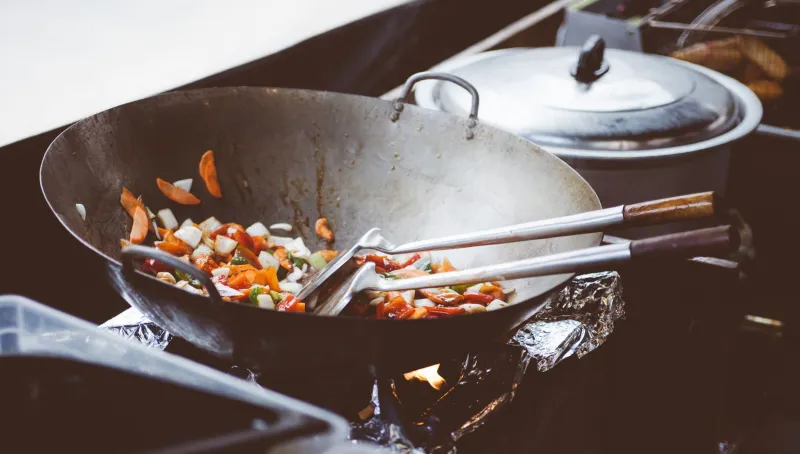
This is where most home attempts fall apart before a single ingredient hits the pan. Thai restaurant kitchens run on high heat. Not medium-high. Not "as high as your burner will go while you stand back a little." Genuinely, aggressively, almost alarming heat.
When a restaurant cook adds oil to a wok, they're waiting until it shimmers and just barely starts to smoke before anything goes in. That temperature — somewhere around 400°F for a neutral oil like vegetable or canola — is what creates the sear, the fragrance, and that slightly caramelized edge on proteins and aromatics.
At home, most people add oil to a warm pan, toss in garlic, and watch it slowly turn golden over three minutes instead of thirty seconds. The result is cooked garlic, not toasted, fragrant, borderline-crispy garlic. That difference alone changes the entire flavor profile of a dish.
The fix: Let your pan preheat for at least two minutes on high before adding oil. Add oil and wait another thirty seconds. If you're not a little nervous, it's not hot enough. Start smaller — one or two portions — so the pan temperature doesn't drop the moment food goes in.
Sauce Goes In at the Wrong Moment
Here's something most recipes don't tell you: the order in which you add sauce components isn't arbitrary. In a restaurant kitchen, sauces often go in at a specific point in the cooking process — usually after the protein has gotten some color and the aromatics are fully bloomed, but before the final toss with vegetables or herbs.
What a lot of home cooks do is dump everything in at once, or worse, add the sauce too early and let it simmer into the protein rather than coat it. When sauce hits a screaming-hot pan at the right moment, it reduces almost instantly, clings to everything in the wok, and creates a slightly sticky, glossy finish. When it goes in too early or over too-low heat, it just... stews.
The fix: Mix your sauce components in a bowl before you start cooking — fish sauce, oyster sauce, a little sugar, whatever the recipe calls for. Have it ready. Add it in one confident pour after your protein is mostly cooked, crank the heat if it dropped, and toss constantly for thirty to forty-five seconds. You're looking for the sauce to reduce and coat, not pool at the bottom of the pan.
You're Overcrowding the Pan, and It's Killing Everything
A restaurant wok is enormous. A home wok or skillet is not. When you try to cook four servings of pad see ew in a twelve-inch pan, you're not stir-frying — you're steaming. The moisture released by all that food at once drops the pan temperature so fast that nothing browns, nothing chars, and the whole thing turns into a soft, slightly sad pile.
This isn't a character flaw. It's physics.
The fix: Cook in batches. One, maybe two servings at a time. It feels inefficient, but the difference in quality is not subtle. If you're cooking for a group, finish everything in stages and keep it warm in a low oven (around 200°F) while you work through the rest. Your guests will not notice the wait. They will absolutely notice that the noodles have actual char on them.
The Aromatics Are Getting Cheated
Garlic, shallots, lemongrass, galangal, chilies — these aren't just flavor additions in Thai cooking. They're the foundation. And they need time in hot fat to fully bloom before anything else enters the pan.
A restaurant cook doesn't add garlic and immediately pile protein on top of it. There's a window — usually thirty seconds to a minute — where aromatics are toasted in oil, releasing their volatile compounds into the fat, essentially building a flavored cooking medium that everything else will absorb.
At home, people get nervous watching garlic in a hot pan and rush past this step. The result is aromatics that taste raw or muted rather than deep and rounded.
The fix: Give your aromatics their moment. Add them to hot oil and let them sizzle, stirring frequently, until they're fragrant and starting to color. For garlic, that's about thirty to forty-five seconds on high heat. For lemongrass or galangal, a full minute. Your nose will tell you when it's ready — the smell shifts from sharp and raw to toasty and sweet.
The Sugar Step Gets Skipped or Misunderstood
Thai cooking uses sugar — palm sugar especially — not just for sweetness but for balance and for the slight caramelization it creates when it hits a hot pan. A lot of home cooks either skip it entirely ("I don't want it to taste sweet") or add it as an afterthought at the end.
In a restaurant kitchen, a pinch of sugar often goes into the pan early, sometimes directly into the oil with the aromatics, where it starts to caramelize and adds a subtle depth that reads as complexity rather than sweetness. It's not a dessert move. It's a savory layering technique.
The fix: Don't fear the sugar. A half-teaspoon of palm sugar or light brown sugar in a stir-fry for two people isn't going to make your dinner taste like candy. Add it with your aromatics and let it melt into the oil before anything else goes in. The difference is quiet but real.
Finishing Touches Happen Off the Heat
Fresh herbs, a squeeze of lime, a drizzle of fish sauce for brightness — these are almost always added after the pan comes off the flame in a restaurant kitchen. Heat destroys the volatile oils in fresh basil within seconds and dulls the brightness of acid.
Home cooks often stir everything together in the hot pan, cooking the life out of the garnishes they just added.
The fix: Kill the heat. Then add your fresh herbs and any final acid adjustments. Toss once or twice and plate immediately. The herbs should look vibrant, not wilted. The lime should smell bright, not cooked.
The Real Gap Is Confidence, Not Equipment
None of this requires a commercial wok burner or a professional kitchen. What it requires is cooking with intention — understanding why each step exists, not just following a list of instructions. Restaurant Thai cooks aren't guessing. They're executing a logic built over years of repetition.
You can get there faster than you think. Start with one dish, focus on heat and timing, and cook it four or five times before moving on. The gap between takeout and your kitchen is smaller than it feels. It just takes knowing where to look.