Home Cooks Win This One: Why Your Som Tam Beats the Restaurant Version Every Single Time
Most of us have been conditioned to believe that restaurant food is the gold standard. The professional kitchen, the trained cooks, the mise en place — surely they're doing something we can't replicate at home, right? For a lot of dishes, that's true. But som tam? Som tam is different. And once you understand why, you'll stop feeling like you're chasing something you can never catch.
Your homemade green papaya salad can — and probably does — beat what's coming out of most Thai restaurants in America. That's not a hot take. That's just how this dish works.
The Mortar Problem No Restaurant Can Solve
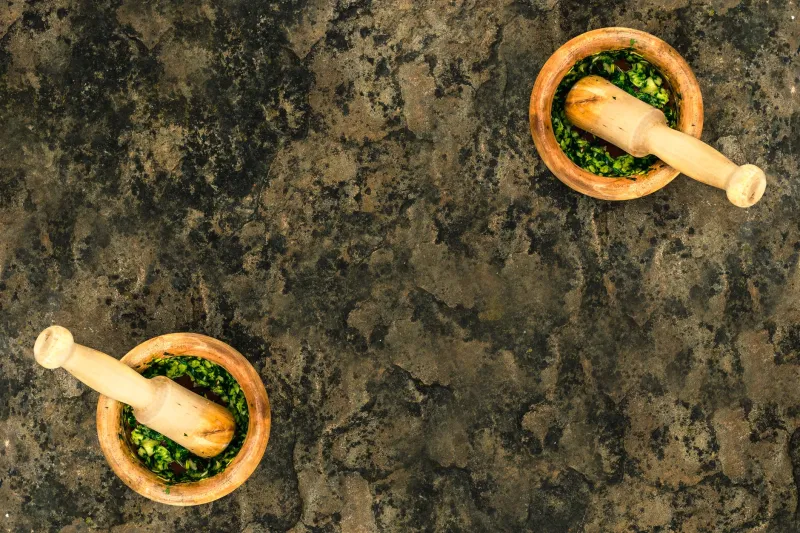
Here's the core issue: som tam is a dish built in real time, in small quantities, for one or two people at most. The mortar and pestle isn't just a romantic tradition — it's the actual cooking vessel. The pounding bruises the vegetables rather than cutting them, releasing juice without turning everything to mush. The garlic and chili get worked into a rough paste that coats every strand of papaya. The fish sauce and lime pool at the bottom and get driven upward with each press of the pestle.
Restaurants can't do this efficiently at scale. When you're feeding a dining room, you're either batching the prep or having one person pound constantly all night. Neither option gives you what a fresh, made-to-order pound delivers. Some places cut corners with pre-shredded papaya that's been sitting in water. Some skip the mortar entirely and just toss everything in a bowl. You get a salad. You don't get som tam.
At home, you're making one portion. You're pounding it fresh. That's an advantage no restaurant can engineer away.
Freshness Is Everything and You Control It
Green papaya starts losing its crunch the moment you shred it. The texture that makes som tam so satisfying — that firm, slightly resistant bite — is at its peak within an hour of shredding. Most restaurant kitchens prep their papaya in bulk at the start of a shift. By the time your order comes out, that papaya may have been sitting for two or three hours, slowly softening in its own moisture.
When you shred your papaya at home right before you pound, you're working with something that's genuinely fresh. Same goes for the lime juice. Squeeze it to order and it's bright and sharp. Pre-squeezed lime that's been sitting in a squeeze bottle for six hours tastes flat and slightly bitter. These aren't small differences — they're the difference between a salad that wakes you up and one that just tastes like it's trying to.
Your local Asian grocery store probably gets fresh green papaya regularly. If you're near a larger city, you have even more options. Buy it whole, shred it yourself the day you're cooking, and you're already ahead.
You Know Exactly How You Like It
This is the real secret weapon and it's one that gets overlooked constantly. Som tam is a dish that's almost aggressively personal. In Thailand, a good som tam vendor knows their regulars — how many chilies, how sour, how salty, whether you want peanuts, whether you want dried shrimp. The customization isn't a bonus feature. It's the whole point.
A restaurant has to cook to a middle ground. They're calibrating for the average American palate, which typically means dialing back the fish sauce funk, softening the chili heat, and adding a bit more sugar than a Thai cook would reach for. The result is a version that offends nobody and thrills nobody.
At home, you are the only customer. You can push the lime until it makes your jaw ache in the best possible way. You can add four chilies or one. You can go heavy on the dried shrimp or skip them entirely. You can taste as you go — and with som tam, tasting as you go is the entire technique. Every pound of the pestle is a chance to check the balance and adjust.
What Restaurants Get Right (And What You Can Steal)
This isn't about bashing Thai restaurants. They're doing something genuinely hard — running a kitchen, managing a menu, feeding dozens of people a night. And some of them make excellent som tam. But even the best ones are operating under constraints that you simply don't have.
What you can borrow from the better restaurants: their ingredient sourcing instincts. A good Thai restaurant knows which fish sauce brand holds up, which dried shrimp are worth buying, and where to find green papaya that hasn't been sitting in a warehouse for a week. Pay attention to those details and apply them at home.
Also worth noting: the best som tam you'll ever eat in Thailand usually comes from a street cart or a small shophouse, not a fancy restaurant. That vendor is making your portion right in front of you, adjusting to your face. That's the model to emulate. And at home, you're already doing it.
The Confidence You've Been Missing
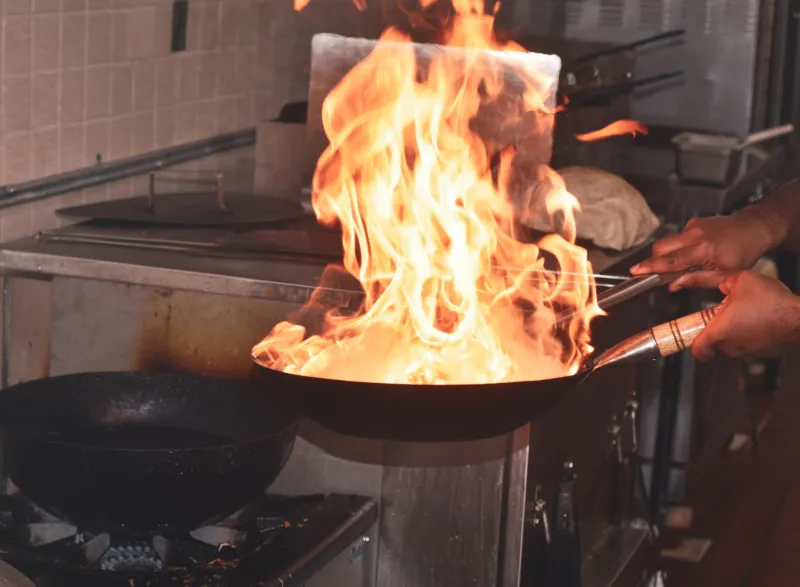
A lot of home cooks approach Thai food with a baseline assumption that they're working at a deficit — that there's some professional knowledge or technique they haven't unlocked yet. For many dishes, there's truth in that. Wok hei is hard to replicate. Curry pastes take practice. But som tam? The playing field is genuinely level, and in some ways it tips toward you.
You have time. You have a mortar and pestle you're not rushing through. You have ingredients you chose yourself. And you're cooking for someone whose preferences you know perfectly — because that someone is you.
Stop waiting to nail som tam. You might already be better at it than you think.